
The drum turns, the timer counts down, and an hour later the clothes are still damp. Or the dryer is running two and three cycles to finish one load and you have started treating that as normal.
The good news is that this is one of the more straightforward repairs on a dryer. The part that generates heat is a known quantity and it is replaceable. The part worth reading is why it failed, because if that is not addressed you will be back here.
Why heating elements die
Almost always the same reason: restricted airflow.
A dryer works by pulling air across a heating element, pushing it through wet clothes, and venting the moisture outside. Block that path and the heat has nowhere to go. Temperature climbs inside the machine, and the element cooks itself. So does the thermal fuse, which is a safety device designed to fail before something worse does.

Fit a new element without clearing the airflow and you have replaced the symptom. The new one fails the same way.
This is a fire risk before it is an inconvenience
Worth being direct about. According to the National Fire Protection Association, failure to clean is the leading cause of home clothes dryer fires — roughly a third of them. Lint is excellent tinder and it accumulates somewhere hot.
Our own Fayetteville Fire Department publishes local guidance on exactly this, and the US Fire Administration has a one-page summary worth keeping.
Signs your vent is the actual problem
- Clothes are hot at the end of the cycle but still damp
- The top of the dryer is unusually hot to touch
- There is a faint burning or scorched smell while it runs
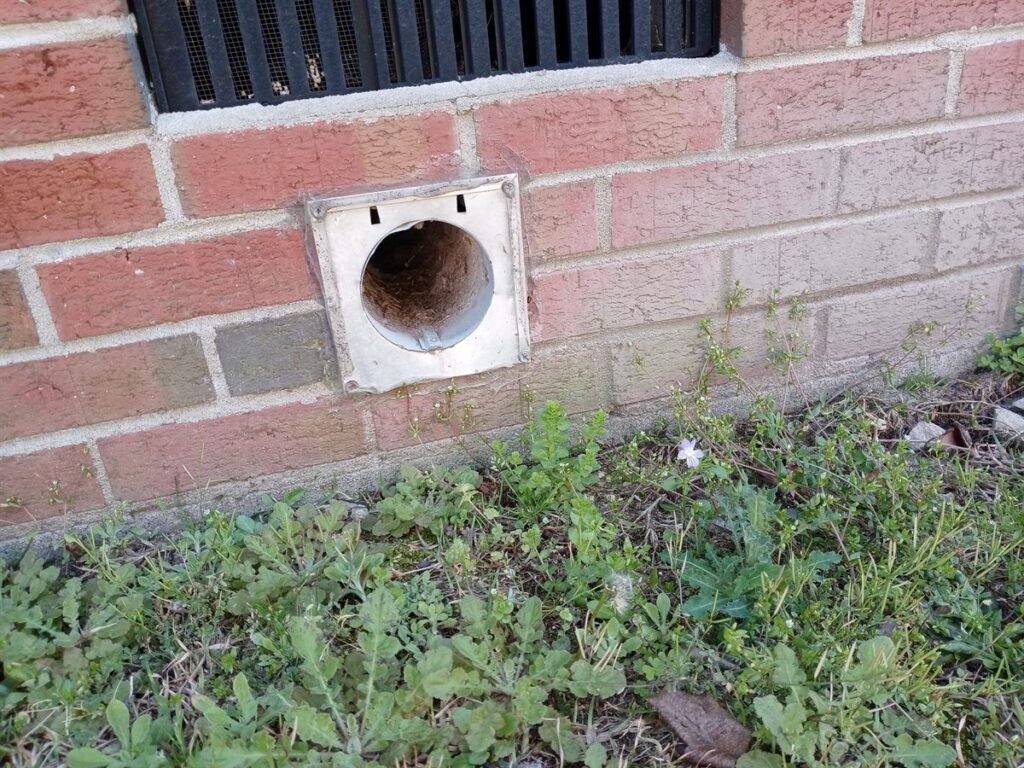
- Lint collects around the back of the machine or the outside vent
- The outside vent flap does not open when the dryer is running
Not every no-heat fault is the element
Several other things produce identical symptoms:
- Thermal fuse. A one-time safety cutout. When it blows, the dryer often tumbles with no heat at all.
- Cycling thermostat. Regulates temperature; when it fails you get weak or intermittent heat.
- Power supply. An electric dryer runs on two legs of 240 volts. Lose one and the drum still turns while the heat does not come on — which confuses a lot of people.
- Timer or control board. Less common, but it happens.
A blown thermal fuse is also a clue rather than a conclusion. It blew because something got too hot, and that something is usually the vent.
Worth repairing?
Usually, yes. Dryers are mechanically simple compared with most kitchen appliances, parts are widely available, and a machine that is otherwise sound will keep going for years after a heat repair. If the drum, motor and controls are working and the only complaint is heat, repair is normally the sensible call.
The picture changes if the machine is well into its second decade and things have started failing in sequence.
Keeping it alive
Clean the lint filter every load — not most loads. Have the vent line cleared periodically, more often if it is long or has bends in it. Do not overload the drum; clothes need room to tumble or the air cannot get through them. And if drying times start creeping up, treat that as the early warning it is rather than waiting for no heat at all.
Where this comes from
- NFPA — clothes dryer safety tip sheet
- NFPA research — home fires involving clothes dryers and washing machines
- US Fire Administration — clothes dryer fire safety
- Fayetteville Fire Department — dryer fire safety
If you would rather not deal with it
If your dryer has stopped heating, or has quietly started taking two cycles to do one load, we will find out why rather than just fitting a part. We cover Fayetteville, Hope Mills, Spring Lake, Raeford, Dunn, Wade, Cameron, Parkton and the rest of Cumberland, Harnett and Hoke counties.
Call or text 910-748-8423, or send us the details and we will call you back. We are a family business and we answer our own phone.
The same dryer vent, one visit apart
This is an ordinary call-out in Fayetteville — a dryer that had started taking two and three cycles to finish a load.
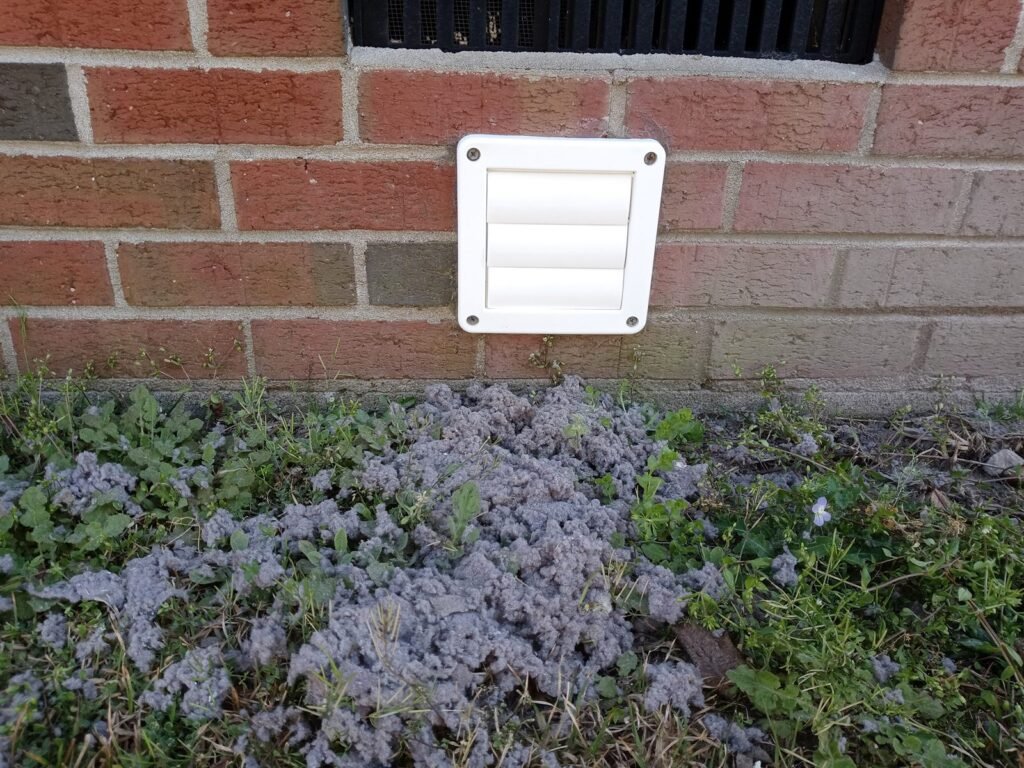
A blocked vent is why a dryer runs hot, takes cycle after cycle and eventually fails early — and it is the reason the fire service treats laundry rooms as seriously as it does.
Rather have someone else do it?
Some jobs are worth a Saturday afternoon. Others involve refrigerant, gas or 240 volts. If this one crossed that line, we are a phone call away.
910-748-8423